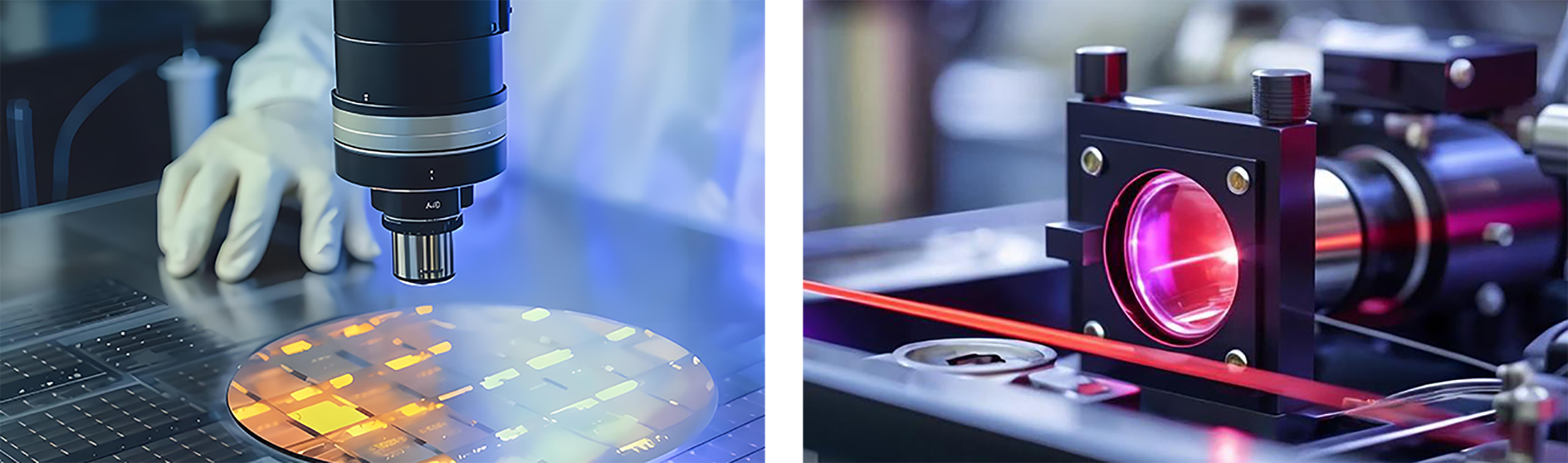


Laser enemy identification equipment consists of interrogation equipment and response equipment, and confirms the enemy/non-national attributes of a target by means of a coordinated question-and-answer process. According to the response method, there are two main types: laser interrogation, radio response and laser interrogation and laser response. Using radio response equipment is more widely used, laser interrogation equipment is usually installed in the weapons platform, reconnaissance systems and man-portable weapons, and with the platform of the fire control system or observation system to work together, mainly by small solid-state laser or semiconductor lasers, laser coding exciters and radio response signal receivers, etc.; radio response equipment is installed in a variety of platforms or combatant helmets, mainly by the The radio response equipment is mounted on various platforms or combatants' helmets and consists mainly of laser omni-directional receivers, signal processors, radio transmitters and omni-directional antennas. The radio receivers and transmitters for both sides of the question and answer can be dedicated transceivers or can make use of platform communications radios or man-portable radios.
The recognition process is: when the shooter discovers the target and aims at it, in order to avoid accidental injury, the laser interrogation equipment is activated to send out the coded laser interrogation signal; if the target being interrogated is the own side or the friendly side equipped with the answering equipment, the laser omni-directional receiver receives and decodes the laser interrogation signal, and controls the radio transmitter to send out the prescribed coded signal through the omni-directional antenna for the answer, and the radio receiver of the interrogating side receives the answering signal. After the radio receiver of the interrogating party receives the reply signal, it completes the confirmation of the attributes of the target of its own side.
Advantageous Scenarios
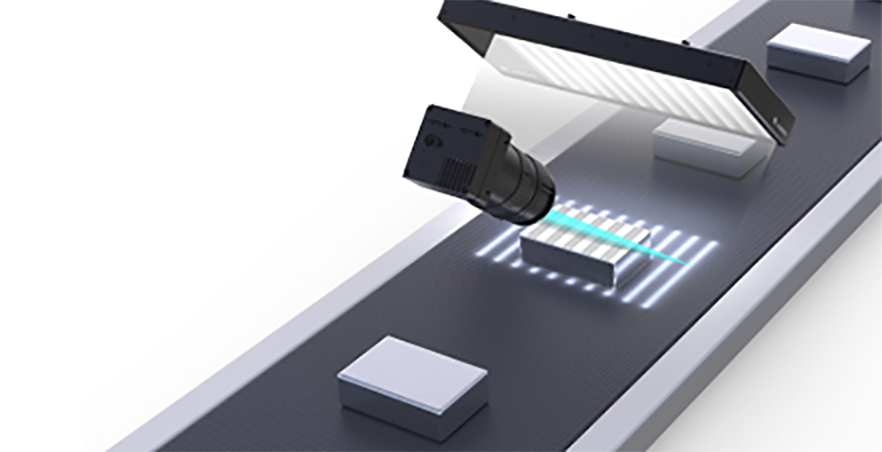
· Dedicated to specular reflection and specular reflection-like surface inspection.
· Outstanding performance advantages in scenes with homochromatic defects, background interference, pattern interference, reflections, etc.
· Applicable materials include metal, glass, film, lacquer, ceramics, plastic, etc.